
Have you recently suffered an orthopedic injury due to someone else’s negligence? If so, you might be wondering how to get the compensation you deserve.
Orthopedic injuries—like broken bones, sprains, or torn ligaments—can impact your life in many ways, from medical bills to lost income and pain that won’t just disappear overnight. Understanding your rights and the compensation process is crucial to protect your future and ease your recovery journey.
You’ll discover what orthopedic injury compensation is, how it works, and the steps you need to take to make sure you’re not left paying the price for someone else’s mistake. Keep reading to take control of your situation and get the support you need.
Types Of Orthopedic Injuries
Broken bones and fractures happen when a bone cracks or breaks due to a sudden force. These injuries often need casts, braces, or surgery to heal properly. Soft tissue injuries affect muscles, ligaments, and tendons. They include sprains, strains, and tears that cause pain and swelling. Nerve and chronic pain injuries can develop after trauma, causing long-lasting discomfort or numbness. These injuries are harder to treat and may require ongoing care.
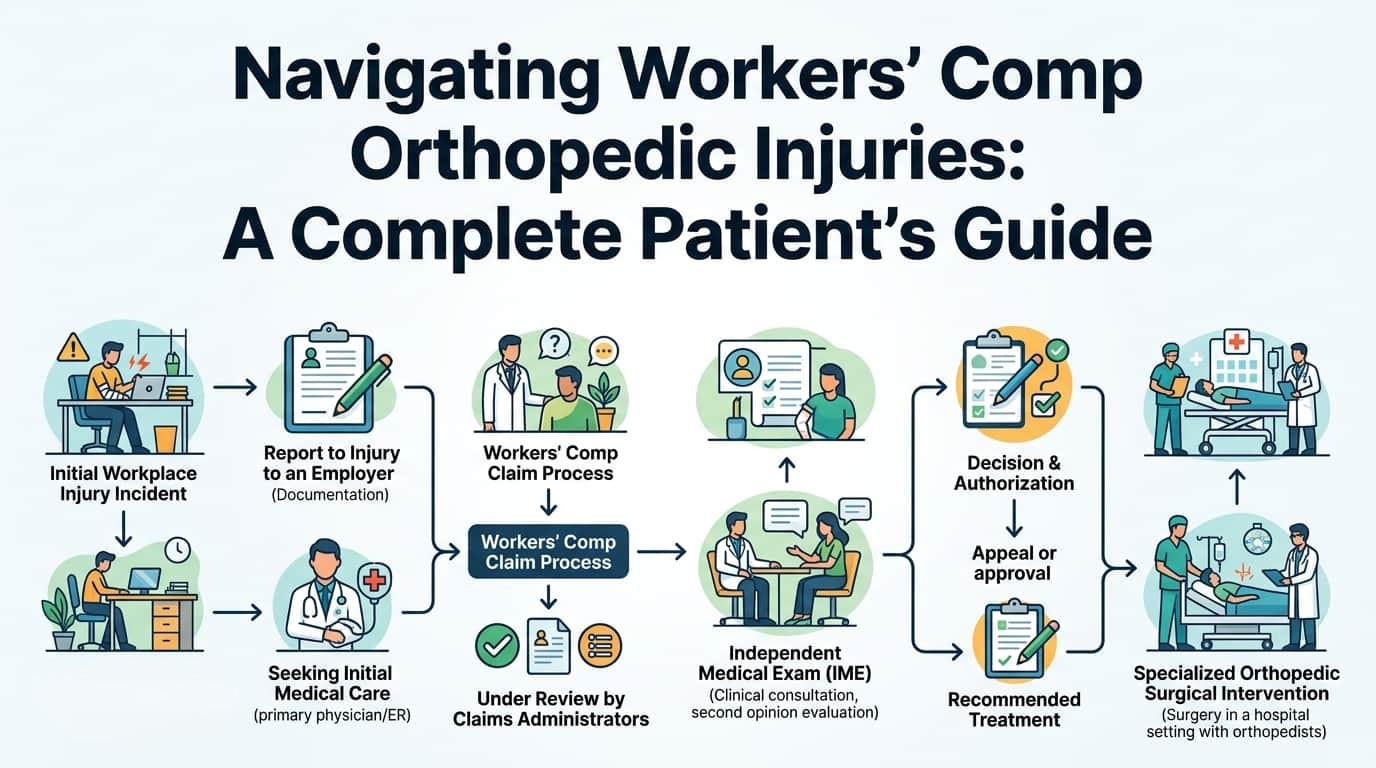
Common workplace orthopedic injuries include repetitive strain injuries, falls, and heavy lifting accidents. Workers may suffer from carpal tunnel syndrome, back injuries, or shoulder problems. Early medical help and proper compensation can aid recovery and protect workers’ rights.
Factors Affecting Compensation
Severity and impact of the injury play a big role in compensation. More serious injuries often mean higher payouts. If the injury causes lasting problems, compensation may increase to cover future care.
Medical treatment and documentation are very important. Clear records from doctors help prove the injury and costs. Bills, test results, and treatment notes support the claim.
| Factor | Details |
|---|---|
| Lost Wages and Future Earnings | Compensation may cover missed work and future earning loss if injury limits job ability. |
| Pain and Suffering Considerations | Compensation can include money for physical pain and emotional distress caused by injury. |
Workers’ Compensation And Orthopedic Claims
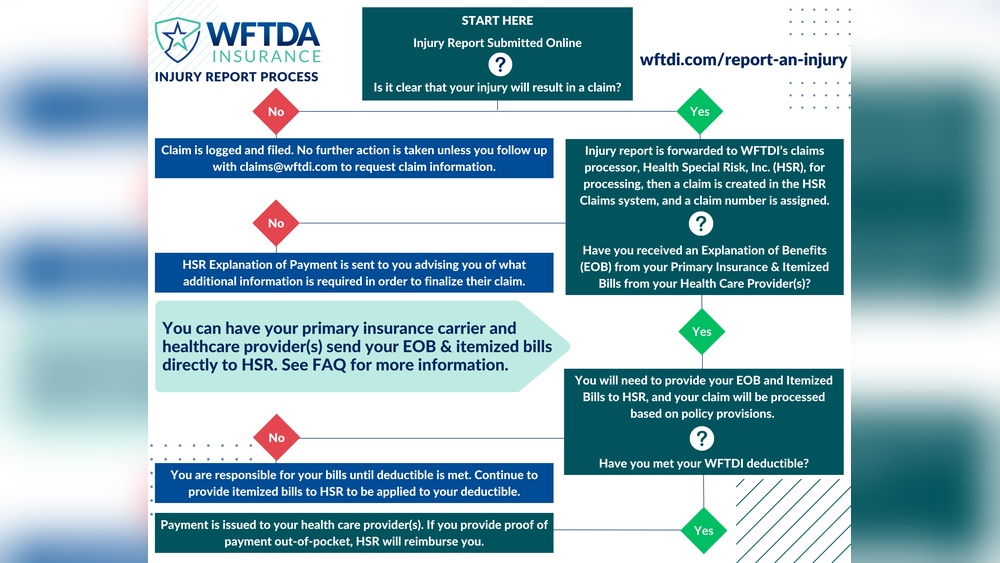
Workers’ compensation helps employees injured on the job get financial support. To be eligible, the injury must happen during work duties. Orthopedic injuries often qualify because they affect bones, joints, muscles, or ligaments. Orthopedic specialists play a key role by diagnosing and treating these injuries. They provide medical reports essential for claims.
Filing a claim requires notifying the employer quickly. The injured worker must complete necessary forms and see a doctor approved by the workers’ compensation board. Timely medical documentation strengthens the claim.
Common challenges include proving the injury is work-related. Some employers or insurers may dispute the claim. Delays in treatment or incomplete paperwork can cause problems. Legal advice might be needed for complex cases.

Maximizing Your Injury Claim
Collecting strong medical evidence is key for a fair injury claim. Keep all doctor reports, X-rays, and test results safe. These papers prove the injury’s severity and link it to the accident. A clear medical record helps judges and insurers understand your pain and limits.
Experienced attorneys know how to handle orthopedic injury claims. They guide you through legal steps and fight for the best settlement. Their knowledge can save time and reduce stress. They also help gather needed evidence and explain your rights.
Negotiating with insurance adjusters takes patience. Adjusters may offer low amounts at first. Be calm and firm when stating your expenses and pain. Your attorney can negotiate better deals to cover all costs and losses.
Documenting all related expenses is vital. Keep receipts for medical bills, therapy, medications, and travel costs. Also note lost wages if you missed work. Clear records prove the full impact of your injury and support your claim.
Legal Process For Orthopedic Injury Claims
Filing a personal injury lawsuit begins by gathering all evidence. This includes medical records, witness statements, and proof of injury. A lawyer usually files the case with the court. The defendant is then notified and asked to respond. Both sides may exchange information through a process called discovery.
Settlement vs. trial options offer two paths to resolve claims. Settlements are agreements made outside court, saving time and money. Trials happen if parties cannot agree. A judge or jury decides the compensation based on evidence. Settlements are common but trials may be necessary for fair results.
Dealing with hard-to-prove injuries requires clear medical documentation. Injuries like soft tissue damage or chronic pain can be tricky. Expert opinions and detailed reports help support these claims. Consistent treatment records increase the chance of success.
| Aspect | Details |
|---|---|
| Timelines | Claims must be filed within a set time limit, often 2 years. |
| Statutes of Limitations | These laws define how long after an injury a claim can be made. |
Common Mistakes To Avoid
Delaying medical treatment can make injuries worse and harm your case. Early care shows the injury is real and serious. It also helps doctors document your condition clearly.
Ignoring legal advice may cause missed deadlines and weak claims. Lawyers know the rules and can protect your rights. Listening to their guidance improves your chances of fair compensation.
Underestimating long-term effects leads to settling too soon. Some orthopedic injuries cause lasting pain or disability. Consider future costs like therapy or lost wages before accepting any offer.
Providing incomplete information can hurt your claim. Always give full details about your injury, treatments, and how it affects daily life. Honesty helps build trust and strengthens your case.
Frequently Asked Questions
How Much Do Most Personal Injury Cases Settle For?
Most personal injury cases settle between $10,000 and $50,000, depending on injury severity and damages.
What Is The Hardest Injury To Prove?
The hardest injuries to prove include soft tissue damage, concussions without clear imaging, chronic pain, nerve, and psychological injuries. These lack visible evidence but cause real suffering.
How Much Compensation Do You Get For A Soft Tissue Injury?
Compensation for a soft tissue injury varies widely based on severity and impact. It typically covers medical bills, lost wages, and pain. Consulting a personal injury attorney ensures fair settlement tailored to your case specifics.
Is Bursitis Covered Under Workers’ Compensation?
Bursitis may be covered under workers’ compensation if work activities cause or worsen the condition. Medical proof is essential.
Conclusion
Orthopedic injuries can cause long-lasting pain and financial strain. Seeking fair compensation helps cover medical bills and lost wages. Understanding your rights empowers you to make informed decisions. Acting quickly improves your chances of a successful claim. Trust professionals who know orthopedic injury laws well.
Protect your future by addressing your injury today. Don’t let an injury hold you back from recovery and peace.
Read More
- Medical Negligence Injury Claim: Maximize Your Compensation Today
- Permanent Disability Compensation: Maximize Your Benefits Today
- Serious Injury Compensation Claim: Maximize Your Settlement Today
- Catastrophic Injury Lawyer Consultation: Expert Help When It Matters
- Accident Injury Settlement Value: Maximize Your Compensation Today
- Personal Injury Attorney near Me: Find Trusted Help Fast Today
- Contingency Fee Injury Lawyer: Win Big Without Upfront Costs
- Free Injury Case Evaluation: Unlock Your Legal Advantages Today
- Injury Lawsuit Filing Deadline: Don’t Miss Your Chance to Win
- Emergency Room Accident Billing: Essential Tips to Avoid Overcharges