

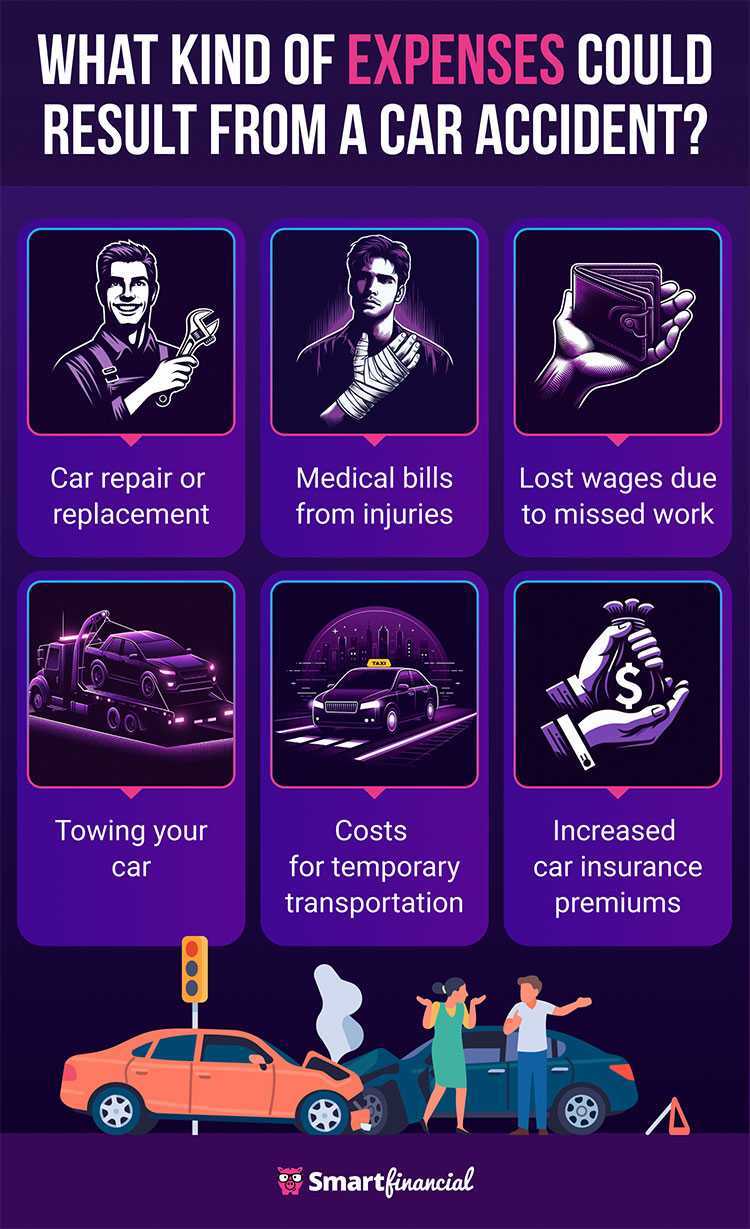
When you’re injured in an accident, the medical bills can quickly become overwhelming. You might wonder, “How much will my treatment cost?” and “Who will pay these expenses?” Understanding accident medical treatment costs is crucial because these costs don’t just affect your health—they impact your finances too.
You’ll learn what types of medical expenses to expect, how bills are calculated, and what steps you can take to manage or reduce these costs. Keep reading to protect your well-being and your wallet after an accident.

Accident Medical Costs Breakdown
Emergency services charges include ambulance fees and urgent care costs. These can add up quickly, especially if air transport is needed. Hospital and treatment fees cover doctor visits, tests, surgeries, and hospital stays. These costs vary based on injury severity and length of stay.
Rehabilitation and therapy costs involve physical therapy, occupational therapy, and follow-up care. These expenses can continue for months after the accident. Some treatments require specialized equipment or multiple visits.
| Expense Type | Details | Typical Cost Range |
|---|---|---|
| Emergency Services | Ambulance, urgent care, air transport | $500 – $5,000 |
| Hospital & Treatment | Doctor visits, tests, surgeries, stays | $1,000 – $50,000+ |
| Rehabilitation & Therapy | Physical therapy, equipment, follow-ups | $500 – $20,000+ |
Average Medical Bills In Austin
Minor injuries like cuts or bruises often cost between $500 and $2,000. These bills usually include doctor visits and basic treatments.
Severe injuries such as broken bones or deep wounds can cost $10,000 to $100,000. Hospital stays, surgeries, and physical therapy add to the total.
Fatal accident medical expenses often include emergency response and hospital care before death. These costs can reach $50,000 or more, depending on the case.
| Type of Injury | Austin Average Cost | National Average Cost |
|---|---|---|
| Minor Injuries | $500 – $2,000 | $700 – $2,500 |
| Severe Injuries | $10,000 – $100,000 | $15,000 – $120,000 |
| Fatal Accidents | $50,000+ | $60,000+ |
Who Covers Medical Bills?
Insurance companies usually pay most medical bills after an accident. They cover costs based on your policy and the accident details. Sometimes, payments can be delayed due to investigations or disputes.
Out-of-pocket costs happen when insurance doesn’t cover everything. Patients may pay deductibles, co-pays, or treatment costs if coverage limits are reached. Keeping receipts and bills is important for claims.
Personal injury claims can help recover money for medical bills. These claims involve proving the other party caused the accident. Settlements or court awards may cover both current and future medical expenses.
Government programs like Medicaid may assist those with low income. Some charities offer help for accident victims without enough insurance. These options provide support when other payments fall short.

Calculating Medical Expenses
Past treatment costs include all medical bills already paid or billed. This covers hospital stays, doctor visits, medications, tests, and therapy sessions. Keeping all medical receipts and bills is very important for accurate calculation.
Estimating future medical needs requires consulting doctors about ongoing care. This may include physical therapy, surgeries, or long-term medication. Future costs depend on injury severity and recovery time.
Medical bills play a key role in settlements. They provide proof of expenses and support compensation claims. Accurate bills help ensure fair settlement offers.
| Aspect | Details |
|---|---|
| Past Treatment Costs | Hospital bills, doctor visits, medications, tests, therapy |
| Future Medical Needs | Physical therapy, surgeries, ongoing medication, rehab |
| Use in Settlements | Proof of expenses, supports compensation claims |
| Legal Considerations | Consult with lawyers for accurate cost estimation |
Legal advice is crucial for cost calculation. Lawyers help gather bills and estimate damages. They ensure all medical costs are included properly.
Ways To Reduce Treatment Costs
Negotiating medical bills can lower your costs significantly. Ask providers for discounts or lower rates before paying. Many hospitals and doctors offer reduced fees for those who ask.
Choosing in-network providers helps reduce expenses. Insurance companies have agreements with certain doctors and hospitals. Using these providers means paying less out of pocket.
Utilizing payment plans allows spreading out the cost over time. This makes it easier to manage large bills without financial stress. Contact billing offices to set up a plan that fits your budget.
Accessing free or low-cost care is possible through community clinics and health centers. These places offer medical help at little or no cost. Check local resources or government programs for eligibility.
Insurance Tips After An Accident
Never admit fault or give detailed accident descriptions to your insurer. Only provide facts when asked. Avoid guessing or speculating about the accident. Keep answers short and clear to prevent confusion.
File claims quickly with all required documents. Include medical bills, police reports, and repair estimates. Follow insurer instructions carefully to avoid delays. Track all communications and save copies for records.
- Do not exaggerate injuries or damages.
- Avoid missing deadlines for claim submissions.
- Never accept the first settlement offer without review.
Check your policy to understand what it covers. Ask about limits on medical and repair costs. Use your full coverage benefits to reduce out-of-pocket expenses. Keep receipts and proof of payments for reimbursement.
Legal Help And Resources
Consulting a lawyer is important after an accident. Legal experts help understand your rights and options. They review medical bills and insurance claims carefully. Lawyers often negotiate with insurance companies to reduce your out-of-pocket costs.
Attorneys gather all evidence related to your injury and treatment. They calculate both current and future medical expenses. This helps in seeking fair compensation for your losses. Expert legal help can ease the stress of managing medical costs.
Finding local legal support is easy with online directories and community centers. Many offer free consultations or low-cost services for accident victims. Local lawyers know state laws and can guide you through the process.
| Resource | Purpose | How It Helps |
|---|---|---|
| Legal Aid Clinics | Free or low-cost legal advice | Assist with claims and paperwork |
| State Bar Association | Find qualified attorneys | Connects you with local lawyers |
| Accident Support Groups | Emotional and practical help | Share experiences and tips |
Frequently Asked Questions
How Much Of A $25,000 Settlement Will I Get?
You will receive your settlement minus medical bills, attorney fees, and taxes. These deductions can reduce your payout significantly.
What Not To Tell Your Insurance Company?
Avoid admitting fault or exaggerating injuries when speaking to your insurance company. Don’t provide unnecessary personal details or contradictory statements. Never downplay damages or refuse to report an accident promptly. Stay factual, concise, and consistent to protect your claim and avoid denial.
How Much Will I Get From A $50,000 Settlement?
From a $50,000 settlement, expect deductions for medical bills, legal fees, and taxes. Net amount varies by case specifics.
How Much Is The Average Medical Bill For A Car Accident?
The average medical bill for a car accident ranges from $5,000 to $15,000, depending on injury severity and treatment needed.
Conclusion
Accident medical treatment costs can add up quickly. Knowing typical expenses helps you prepare better. Emergency care, hospital stays, and therapy often contribute most. Keep track of all bills and receipts carefully. Seek professional advice to understand your financial options.
Early action can reduce stress and confusion later. Protect yourself by learning about insurance coverage limits. Staying informed allows you to make smarter decisions. Remember, your health and finances both need attention. Take control of your recovery and costs today.
Read More
- Medical Negligence Injury Claim: Maximize Your Compensation Today
- Permanent Disability Compensation: Maximize Your Benefits Today
- Serious Injury Compensation Claim: Maximize Your Settlement Today
- Catastrophic Injury Lawyer Consultation: Expert Help When It Matters
- Accident Injury Settlement Value: Maximize Your Compensation Today
- Personal Injury Attorney near Me: Find Trusted Help Fast Today
- Contingency Fee Injury Lawyer: Win Big Without Upfront Costs
- Free Injury Case Evaluation: Unlock Your Legal Advantages Today
- Injury Lawsuit Filing Deadline: Don’t Miss Your Chance to Win
- Emergency Room Accident Billing: Essential Tips to Avoid Overcharges