
If you’ve suffered a serious injury that leaves you unable to work as you did before, you might be wondering how you’ll manage financially. That’s where permanent disability compensation comes in.
This type of benefit is designed to support you when your injury causes lasting effects, affecting your ability to earn a living. Understanding your rights and how these benefits work can be overwhelming, but it’s crucial for securing the compensation you deserve.
You’ll discover what permanent disability compensation is, who qualifies for it, and how the amount is calculated—arming you with the knowledge you need to take the right steps for your future. Don’t miss out on critical information that could make a real difference in your life. Keep reading to find out more.
Types Of Permanent Disability
Permanent Total Disability (PTD) means a worker cannot return to any job due to injury. These benefits provide compensation for complete loss of work ability. The worker usually receives payments for life or until they reach retirement age.
Permanent Partial Disability (PPD) means the injury limits the worker’s ability but does not stop all work. Compensation depends on the injury’s severity and the body part affected. It allows workers to get money for partial loss of function or use.
Schedule Loss of Use refers to specific body parts listed in a legal schedule. Examples include loss of a finger, hand, or eye. Payments are based on a fixed amount set by law for each body part’s loss or loss of use.

Qualifying For Benefits
The medical evaluation process starts with a detailed exam by a doctor. The doctor checks how serious the injury is and if it causes lasting problems. This helps to decide if the injury qualifies for permanent disability benefits.
Injury severity criteria measure how much the injury limits normal activities. Doctors use set rules to rate the injury’s impact on the body. This rating is key to calculating the benefit amount.
| Factor | Description |
|---|---|
| Medical Evaluation | Doctor examines injury and lasting effects. |
| Injury Severity | Measures how much the injury limits daily life. |
| Vocational Impact | Checks if the injury stops the person from working. |
The vocational impact assessment looks at the injured person’s job skills and ability to work. It checks if the injury stops them from doing their regular job or any other job. This step is important for deciding benefit eligibility.
Calculating Compensation
Wage loss determination estimates how much income a worker loses. It looks at wages before and after injury. The difference shows the lost earning capacity. This helps calculate the compensation amount.
The benefit rate formulas use a fraction of the worker’s average weekly wage. Usually, 2/3 of the wage is paid as compensation. Some states may have different formulas or add bonuses.
| State | Max Weekly Benefit | Calculation Method |
|---|---|---|
| Texas | $1,200 | 2/3 of average weekly wage, capped |
| California | $1,500 | 66.67% of weekly wage, max limit |
| New York | $1,100 | 2/3 of weekly wage, with max cap |
State-specific limits set the maximum amount paid. These limits protect employers from very high costs. It also ensures fair pay for injured workers.

Maximizing Your Benefits
Strong medical evidence is key for permanent disability claims. Collect all medical records and doctor notes. These documents show the injury’s effect on your health.
Documenting work limitations helps prove your disability. Write down tasks you cannot do or find hard. This includes lifting, standing, or sitting for long times.
Hiring legal representation can improve your chances. Lawyers understand the rules and can guide you. They help gather proof and speak for you in talks.
Common Challenges
Disputes over disability rating often cause confusion and frustration. Insurance companies and claimants may disagree on how severe the disability is. This affects the amount of compensation paid. Sometimes, the rating system is unclear or applied inconsistently, leading to disputes.
Delays in benefit payments create financial stress for many claimants. Paperwork errors, missing documents, or slow processing times can hold up payments. These delays can last weeks or even months, making it hard for injured workers to cover living costs.
Appealing denied claims can be a long and difficult process. Many claims get denied due to incomplete evidence or misunderstanding of medical records. Claimants must gather more proof and follow strict procedures to challenge denials. This can take a lot of time and patience.
Additional Support Options
Social Security Disability Benefits help people who cannot work due to long-term illness or injury. These benefits provide monthly payments to cover basic needs like food and rent.
Vocational Rehabilitation Services offer training and support to learn new skills. This helps individuals find jobs that fit their abilities after a disability.
State Assistance Programs vary by location. They may include financial aid, healthcare, or housing support. These programs aim to improve the quality of life for disabled people.
Frequently Asked Questions
How Much Is A Permanent Disability Payout?
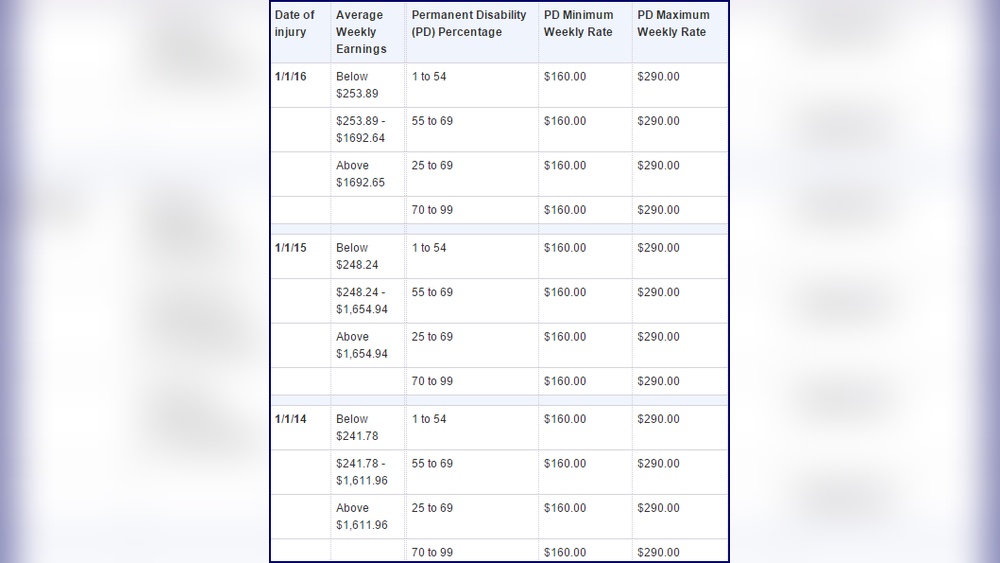
Permanent disability payouts vary by injury severity and state rules. Typically, payments equal two-thirds of your average weekly wage. The amount depends on your disability rating and wage loss. Some states have minimum and maximum limits on benefits. Consult local workers’ compensation laws for exact figures.
Does A Torn Rotator Cuff Qualify For Disability?
A torn rotator cuff may qualify for disability if it causes permanent impairment and limits work ability. Approval depends on injury severity and medical evidence.
How Much Is The Total Permanent Disability Payout?
The total permanent disability payout equals two-thirds of your average weekly wage at injury time. Payment limits vary by state.
Is Alzheimer’s Considered A Disability For Social Security?
Alzheimer’s qualifies as a disability for Social Security if it severely limits daily activities and work ability. Applicants must provide medical evidence.
Conclusion
Permanent disability compensation helps injured workers secure financial support. It reflects injury severity and affects future earning ability. Understanding your rights ensures you receive fair benefits. Seek advice early to protect your interests. Stay informed about state-specific rules and deadlines.
This knowledge can make a big difference in your claim. Take action to support your recovery and financial stability.
Read More
- Medical Negligence Injury Claim: Maximize Your Compensation Today
- Serious Injury Compensation Claim: Maximize Your Settlement Today
- Catastrophic Injury Lawyer Consultation: Expert Help When It Matters
- Accident Injury Settlement Value: Maximize Your Compensation Today
- Personal Injury Attorney near Me: Find Trusted Help Fast Today
- Contingency Fee Injury Lawyer: Win Big Without Upfront Costs
- Free Injury Case Evaluation: Unlock Your Legal Advantages Today
- Injury Lawsuit Filing Deadline: Don’t Miss Your Chance to Win
- Emergency Room Accident Billing: Essential Tips to Avoid Overcharges
- Accident Medical Treatment Costs: How to Save Big on Care