If you’ve recently been injured and need to file an insurance claim, you might feel overwhelmed by the process ahead. You’re probably wondering what steps to take, how long it will take, and what to expect from your insurance company.
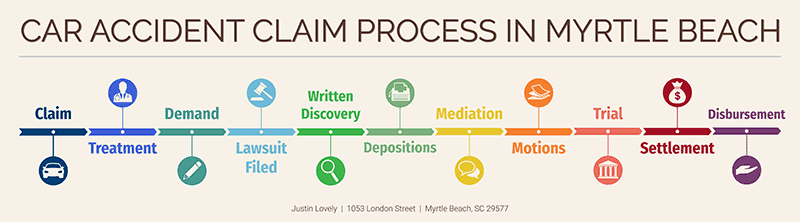
Understanding the insurance injury claim process is key to getting the compensation you deserve without unnecessary stress. You’ll learn exactly how to navigate each stage of your claim, avoid common mistakes, and protect your rights. Keep reading to gain the confidence and knowledge you need to handle your injury claim with ease.
Claim Eligibility
Types of Covered Injuries vary depending on the insurance policy. Commonly covered injuries include broken bones, burns, cuts, bruises, and sprains. Some policies cover emotional trauma and long-term disabilities. It is important to check if the injury happened due to an accident or illness. Only injuries caused by covered events qualify for claims.
Policy Limits and Conditions set the maximum amount paid for a claim. These limits depend on the policy type and coverage level. Some policies have deductibles, which is the amount paid out-of-pocket before insurance pays. Conditions may include timely reporting of the injury and providing proof like medical reports. Failure to meet these rules can lead to claim denial.
Initial Reporting
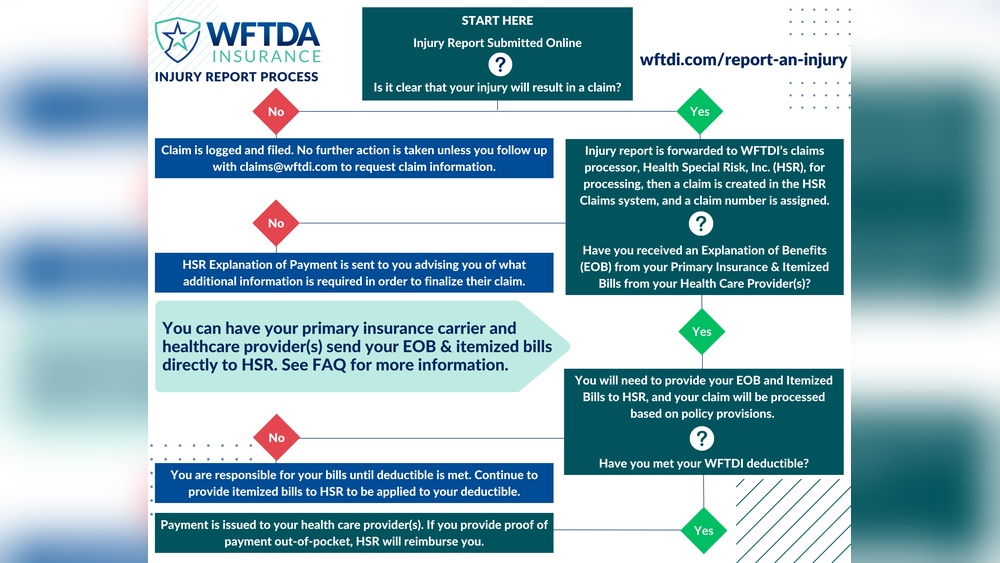
Notify your insurer as soon as possible after the injury. This starts the claim process and helps you get support quickly. Provide clear and simple details about what happened.
Gather essential information before calling. This includes the date, time, and place of the injury. Also, have any police reports, photos, and witness contacts ready.
Keep all documents organized. This makes it easier to answer questions and speed up your claim. Be honest and accurate with your information to avoid delays.
Documentation Gathering
Medical records and bills show the injuries and treatment details. Keep all documents safe and organized. They prove the injury and help claim money.
Accident scene evidence includes photos, videos, and damage reports. This evidence shows how the accident happened. It supports your story and claim.
Witness statements are helpful when others saw the accident. Ask witnesses to write or record what they saw. Their words add proof and strengthen your case.

Filing The Claim
Filling out claim forms needs care and accuracy. Use clear, simple words. Double-check all details to avoid delays. Missing or wrong info can slow the process.
Attach all supporting documents. This includes medical reports, police reports, bills, and photos of the injury or damage. These papers prove your claim is valid.
Keep copies of everything sent. You may need them later. Submit forms and documents through the method your insurer prefers, such as online, mail, or in person.
Adjuster Interaction
The adjuster will contact you quickly, often within a few days. They will set a time to inspect the damage. Be sure to choose a time that works for you. This inspection helps them see the damage clearly.
Answering questions clearly is very important. Speak slowly and use simple words. Only share facts you know. Avoid guessing or adding extra details. This helps the adjuster understand the situation better.
Stay calm and polite during the conversation. If you do not understand a question, ask for it to be repeated. This shows you want to be honest and clear.
Damage Evaluation
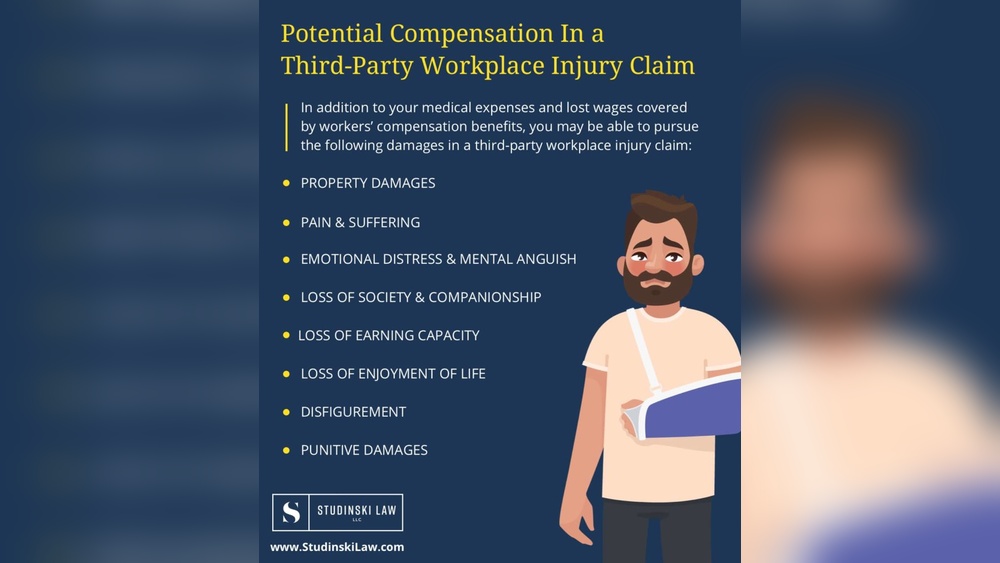
Medical expenses are the first costs to check. This includes hospital bills, doctor visits, and medicine costs. Keep all receipts and bills safe. Insurance companies need proof to pay.
Lost wages mean money not earned because of injury. Calculate the days missed from work. Include sick leave or unpaid time off. Show pay stubs or employer letters as proof.
Property damage covers harm to your car, home, or belongings. Get repair estimates or replacement costs. Take photos of the damage for records. Insurance adjusters use this to decide payments.
Settlement Negotiation
Reviewing offer details means checking the amount and terms carefully. Make sure the offer covers all your expenses and damages. Look for any hidden conditions that might affect your payout. If the offer seems too low, do not accept it right away.
Counteroffer strategies help you get a better settlement. Start by gathering proof like medical bills and repair costs. Present this evidence to show why you deserve more. Keep your counteroffer clear and reasonable. Avoid asking for too much, as it might delay the process. Stay calm and polite when negotiating. Patience often leads to a fair result.
Legal Assistance
Keep all receipts related to your injury. This includes medical bills, prescriptions, and travel costs to doctors. Also, track any lost wages from missed work. Every expense counts and helps prove your claim’s value.
Avoid common mistakes like delaying your claim or giving incomplete information. Be honest but careful with your words. Never admit fault or agree to quick settlements before consulting a professional.
Stay organized by creating a file or folder for all your documents. Use a calendar to note appointments and deadlines. This keeps your claim moving smoothly and avoids missing important steps.
Frequently Asked Questions
How Much Will I Get From A $50,000 Settlement?
From a $50,000 settlement, expect to receive the amount minus legal fees, taxes, and any outstanding debts related to the claim.
How Long Does An Injury Claim Take To Pay Out?
Injury claim payouts typically take weeks to months, depending on case complexity and insurance processing speed. Promptly submit all documents.
What Not To Say To The Insurance Adjuster?
Avoid admitting fault or exaggerating injuries to the insurance adjuster. Do not share unnecessary personal details or guess about facts. Stay calm and stick to the facts. Never say anything that could weaken your claim or reduce your settlement offer.
What Is A Good Settlement Offer For A Back Injury?
A good settlement offer for a back injury covers medical bills, lost wages, pain, and future care. Amounts vary by case severity.
Conclusion
Understanding the insurance injury claim process helps you stay prepared. Act quickly and provide all necessary information clearly. Keep records of conversations and documents for your protection. Stay patient, as claims can take time to resolve. Always communicate honestly and follow your insurer’s instructions carefully.
Knowing these steps improves your chances of a fair settlement. Trust the process but remain proactive throughout each stage. Your awareness reduces stress and builds confidence in handling claims.
Read More
- Medical Negligence Injury Claim: Maximize Your Compensation Today
- Permanent Disability Compensation: Maximize Your Benefits Today
- Serious Injury Compensation Claim: Maximize Your Settlement Today
- Catastrophic Injury Lawyer Consultation: Expert Help When It Matters
- Accident Injury Settlement Value: Maximize Your Compensation Today
- Personal Injury Attorney near Me: Find Trusted Help Fast Today
- Contingency Fee Injury Lawyer: Win Big Without Upfront Costs
- Free Injury Case Evaluation: Unlock Your Legal Advantages Today
- Injury Lawsuit Filing Deadline: Don’t Miss Your Chance to Win
- Emergency Room Accident Billing: Essential Tips to Avoid Overcharges